
Vrishabhavathi River

The Vrishabhavathi River exhibited a rich array of biodiversity and received consistent rainfall, maintaining healthy discharge rates. However, it contended with significant and fluctuating air pollution, frequently reaching unhealthy levels, and faced concerning intermittent fire threats along its banks.
Threats
Persistent high levels of PM2.5 and PM10, with multiple days registering "Unhealthy" or "Unhealthy for Sensitive Groups" AQI values throughout the month.
Intermittent detection of fire hotspots in mid-June, including one as close as 8.9 km from the river's banks, posing a direct threat to riparian ecosystems.
Solutions
- →Implement continuous, localized air quality monitoring stations along the river to pinpoint pollution sources and inform targeted interventions.
- →Establish a rapid response system for fire detection and suppression, coupled with community awareness programs on fire prevention in riverside areas.
- →Initiate public health advisories during periods of "unhealthy" air quality, especially for communities living close to the river.
- →Conduct regular water quality testing to assess the impact of rainfall and air pollution on the river's ecosystem and inform conservation strategies.
Species spotted
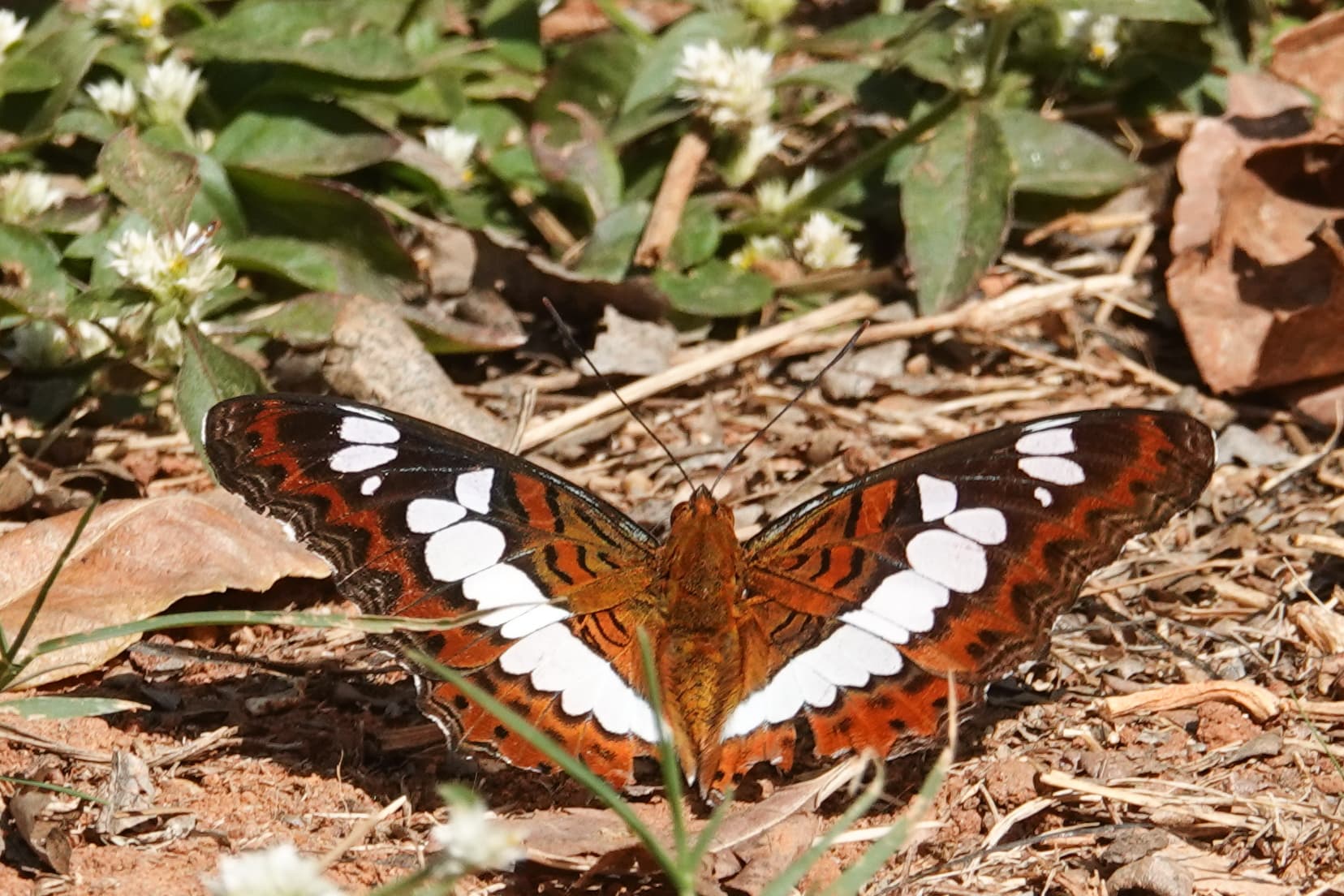
Commander
insects · 11 sightings

Domestic Cat
animals · 7 sightings
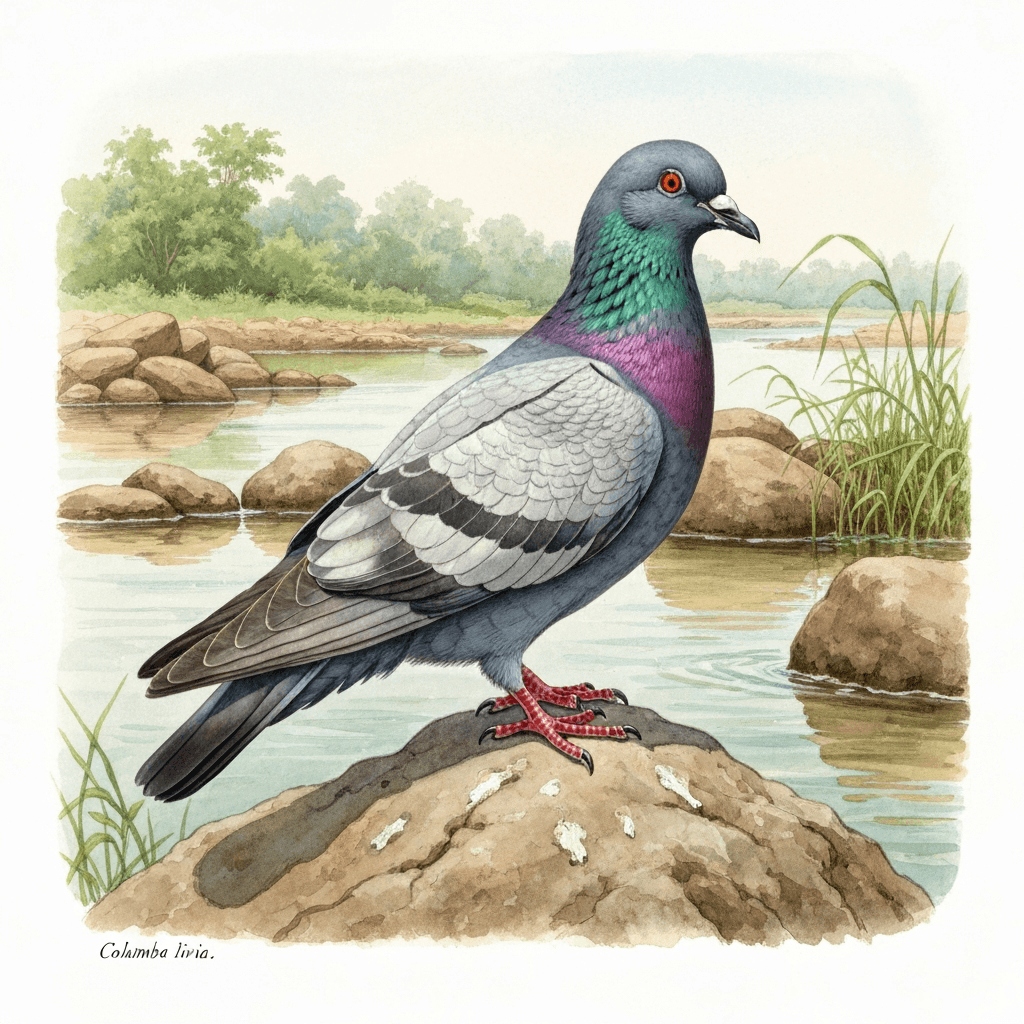
Rock Pigeon
birds · 5 sightings
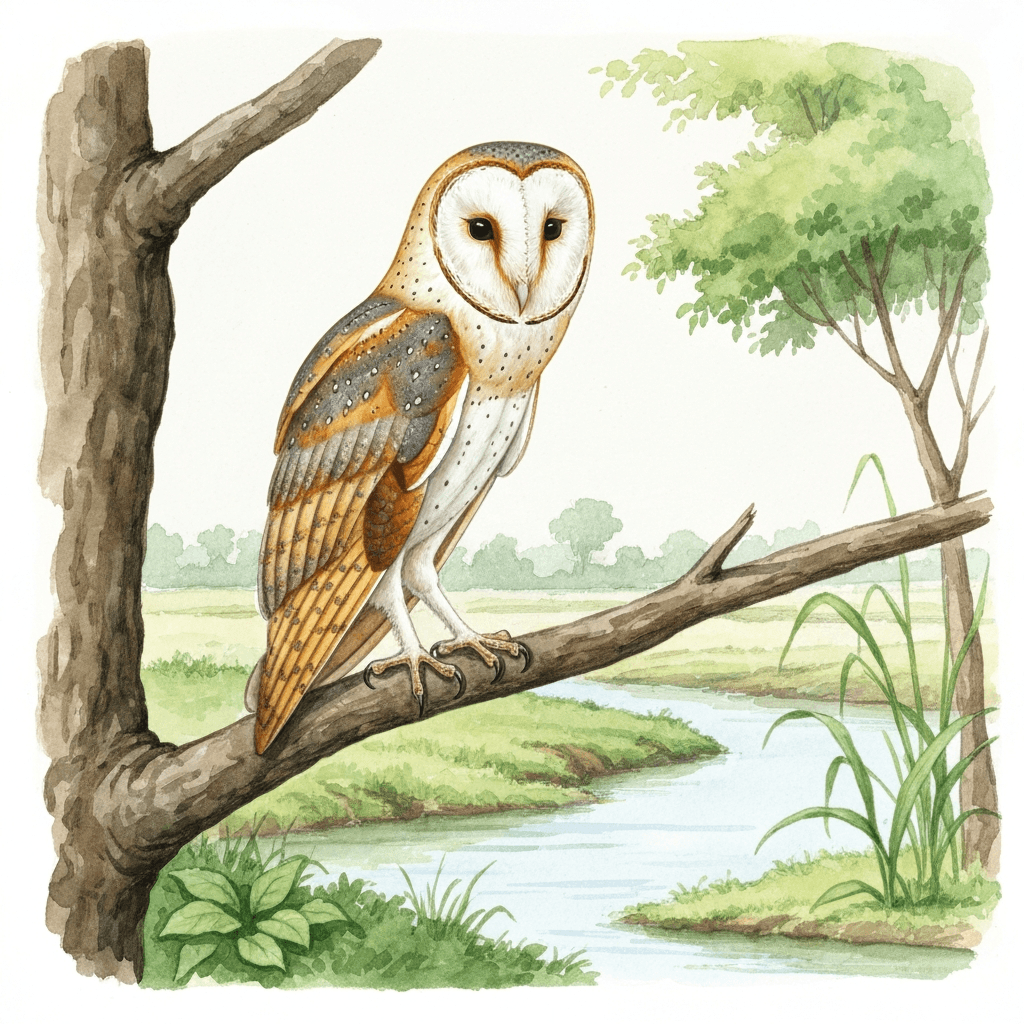
Eastern Barn Owl
birds · 3 sightings

Domestic Dog
animals · 2 sightings
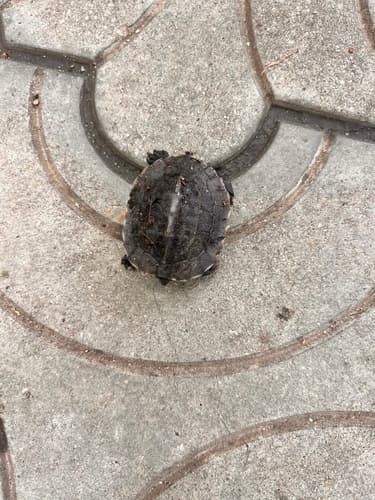
Indian Black Turtle
animals · 2 sightings

Chrysilla volupe
insects · 2 sightings
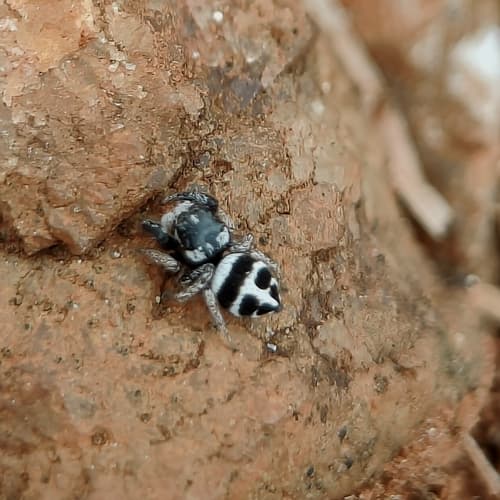
Pellenes iva
insects · 2 sightings

Adanson's House Jumper
insects · 2 sightings